Vacation Rental Design
Designing a vacation rental isn’t just about how it looks — it’s about how it works. From layout and materials to guest use and ongoing maintenance, resolving these decisions early creates a space that performs for both guests and owners.
Designing a vacation rental requires a different approach to a typical home. These spaces are used frequently, by different guests, and need to function consistently over time. Decisions around layout, materials and detailing carry more weight — not just in how the space looks, but in how it performs day to day.
While the end result should feel considered and cohesive, that outcome is shaped by a series of practical decisions made early in the process. The following areas outline how those decisions come together to support both the guest experience and the long-term use of the property.
Designing for Photography (and First Impressions)
While photography might not seem like the obvious starting point, it plays a critical role from the outset. For most guests, the images are their first experience of the property — and in a competitive rental market, they determine whether someone stops to look further.
Holiday rental photography differs from real estate photography. It’s not about documenting a property for sale, but about communicating an experience. The focus shifts to how a space feels: a well-considered kitchen, a quiet corner to sit, a bedroom that reads as calm and comfortable, or a view that becomes a defining feature.
With this in mind, design decisions need to support how the space will be seen and understood through those images. It’s not styling at the end — it’s something that should be considered from the beginning.
Creating a Cohesive Guest Experience
A well-resolved vacation rental should feel consistent from one space to the next. It’s not about creating a theme, but about ensuring that each decision — layout, materials, lighting and furnishings — works together to form a clear and cohesive whole.
Guests might not consciously register every detail, but they will notice when a space feels considered. A kitchen that relates to the living area, a bedroom that carries through the same material language, or a consistent approach to lighting all contribute to how the space is experienced as a whole.
This can extend into branding where appropriate — a considered use of colour, materials or subtle identifiers that give the property a recognisable identity. When handled well, it reinforces the overall experience without feeling forced or overly styled.
Materials That Can Handle Real Use
Material selection in a vacation rental needs to go beyond appearance. These spaces are used frequently, often by different guests, so durability and ease of maintenance become just as important as how things look.
That doesn’t mean the design needs to feel heavy or overly robust, but materials should be chosen with use in mind — finishes that can withstand wear, surfaces that are easy to clean, and details that won’t quickly date or deteriorate.
Location and context still play a role. A coastal property might lean into lighter tones and textures, while a mountain setting may suit deeper, more grounded materials. But these choices need to be balanced with performance, ensuring the space continues to function well over time. This approach was central to the Thredbo project, where layout and material decisions were driven by how guests would use the space.
Designing for Guest Use and Comfort
Guests expect a space that is easy to use and comfortable to live in — whether for a weekend or a longer stay. The design needs to support that, not just visually, but in how each space functions day to day.
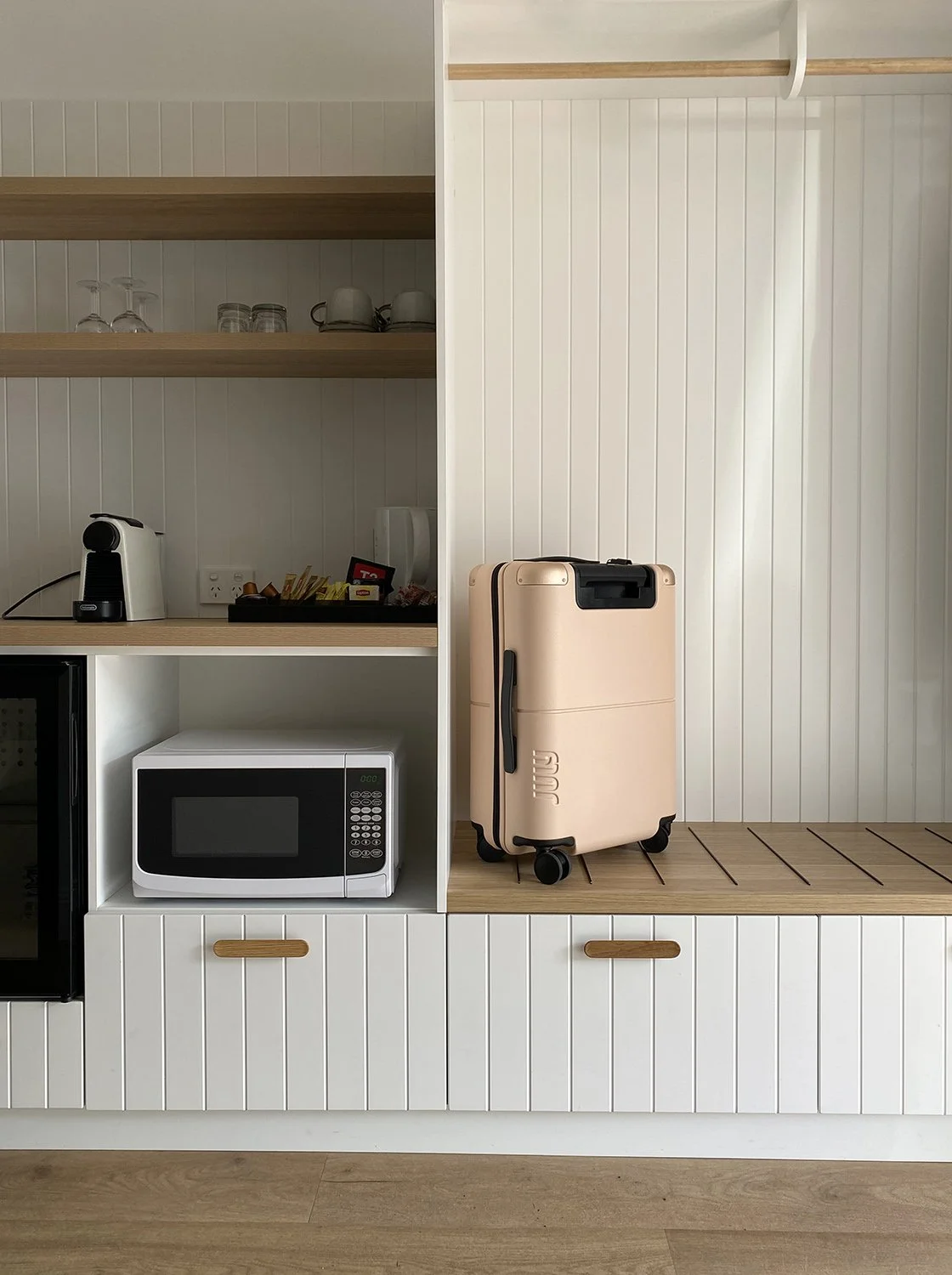
Simple decisions make a difference. Allowing space for luggage, providing adequate bench space in bathrooms, ensuring kitchens are properly equipped, and incorporating convenient access to power for charging devices all contribute to how usable the space feels.
These elements aren’t always immediately visible in photographs, but they shape the overall experience. When they’re resolved properly, the space feels considered, comfortable, and easy to move through — without guests needing to think about it.
I’ve written more about this in Small Decisions, Resolved Spaces, where a single layout decision significantly changed how the space functions.
Designing for Easy Maintenance and Turnover
A well-designed vacation rental also needs to work for the people maintaining it. Turnover between guests is often tight, so the space should be easy to clean, reset and prepare for the next stay.
Material choices play a key role here — finishes that are durable, easy to wipe down, and resistant to wear help reduce ongoing maintenance. Furnishings also need to be considered carefully, not just for comfort, but for how they hold up over time and how easily they can be cleaned or replaced if needed.
Layout and storage contribute as well. Providing clear access, minimising unnecessary complexity, and allowing space for cleaning supplies all support a more efficient process.
When these decisions are resolved early, the property remains consistent and well-presented, even through frequent use.
Design Decisions That Support Return on Investment
Well-considered design decisions ultimately support how a property performs over time. When a space is easy to use, durable, and consistent in its presentation, it’s more likely to attract bookings, operate efficiently, and hold up under regular use.
This isn’t separate from the design process — it’s a direct result of resolving decisions early. Layout, materials and detailing all contribute, not just to how the space looks, but to how it functions day to day.
When these elements are aligned, the outcome is a property that works for both guests and owners, supporting ongoing use and long-term value.
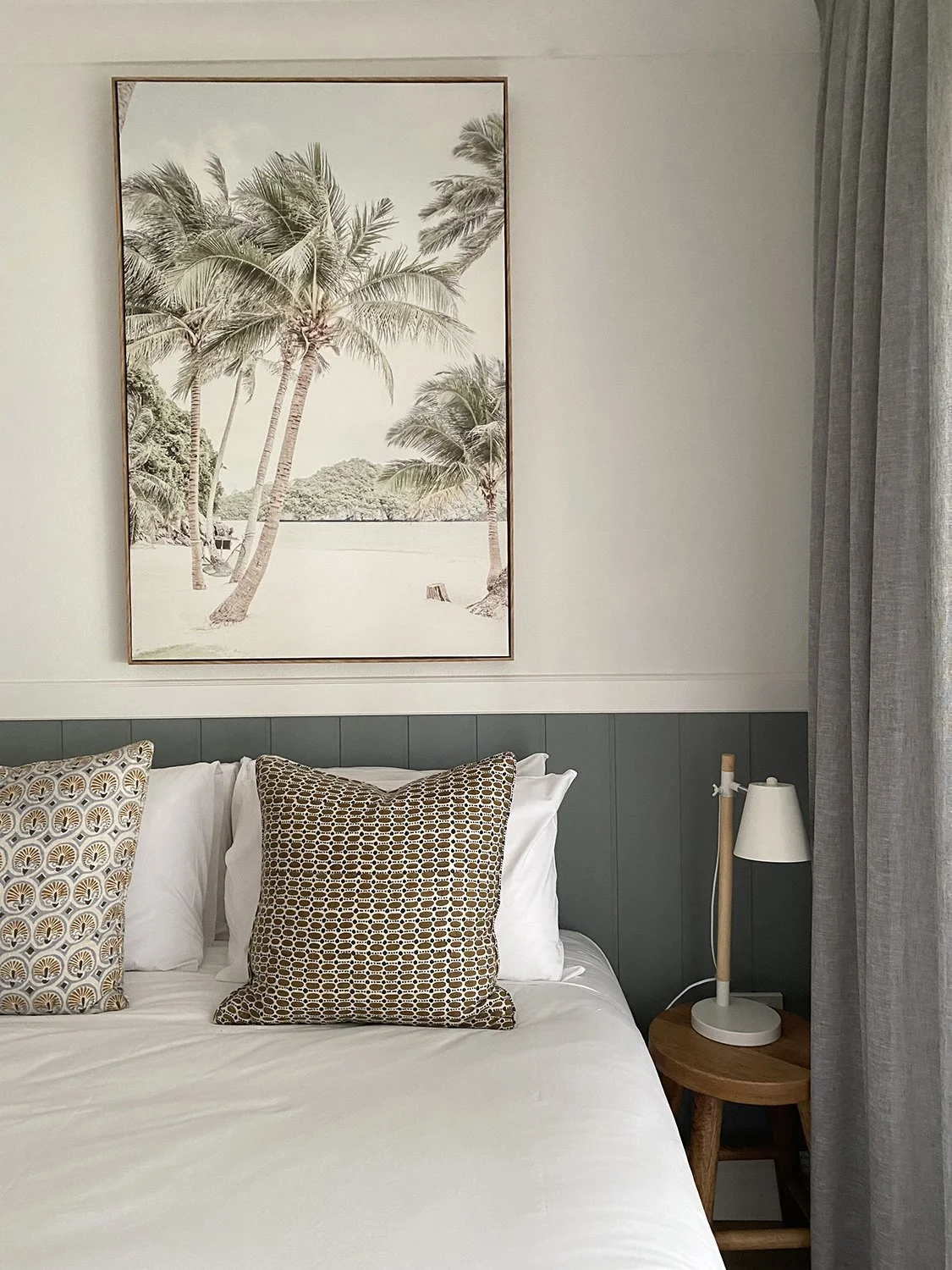

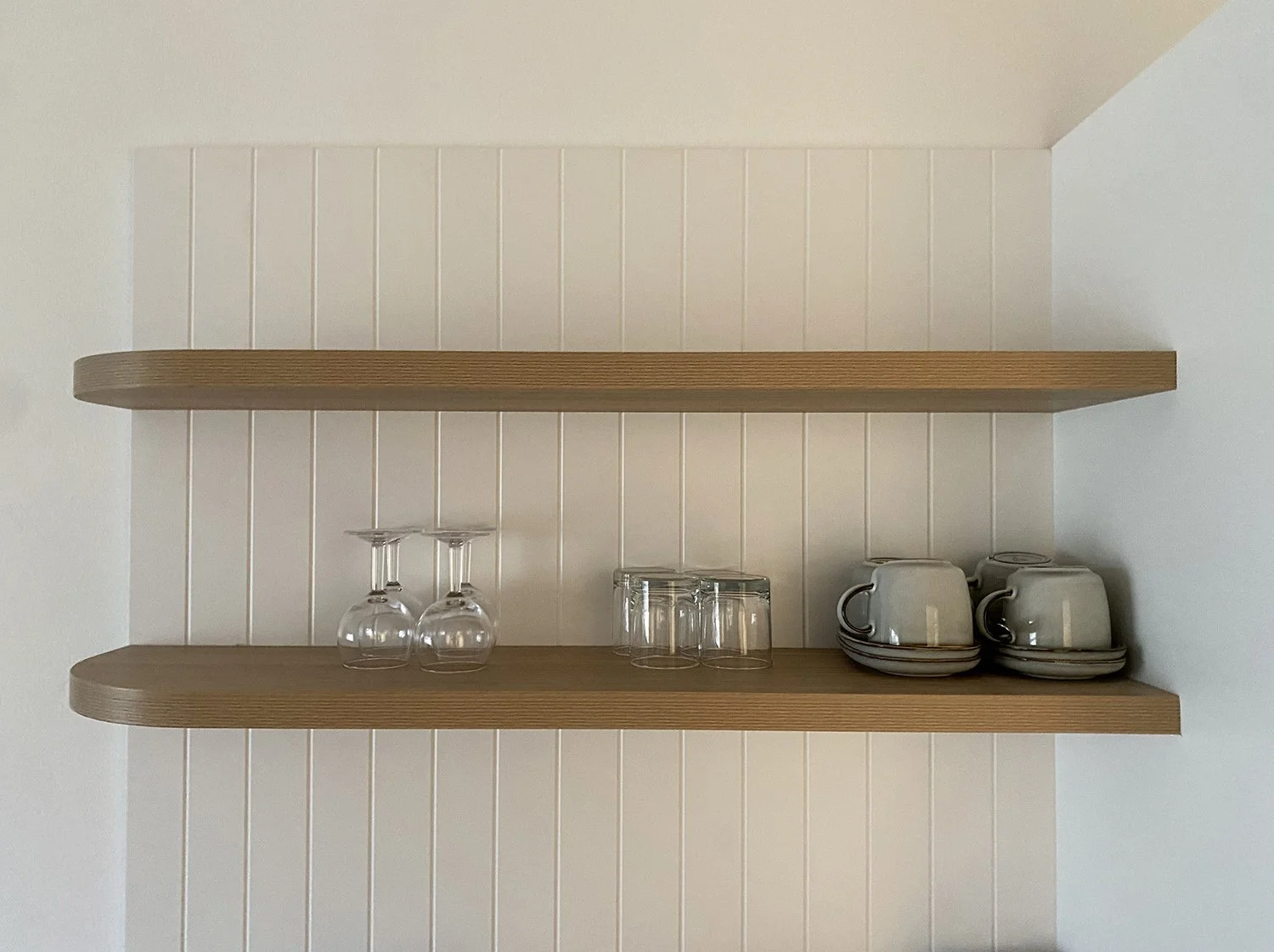

Luggage by July. Images by Donna Vercoe, captured during a stay at The Quarters Forrester Beach. Neither entity is affiliated; sharing purely as a personal preference.