Why “One Room” Is Never Just One Room
You can hire a designer for one room, but it’s rarely just about furniture. Even a single space involves layout, function, and decisions that often connect to the rest of the home.
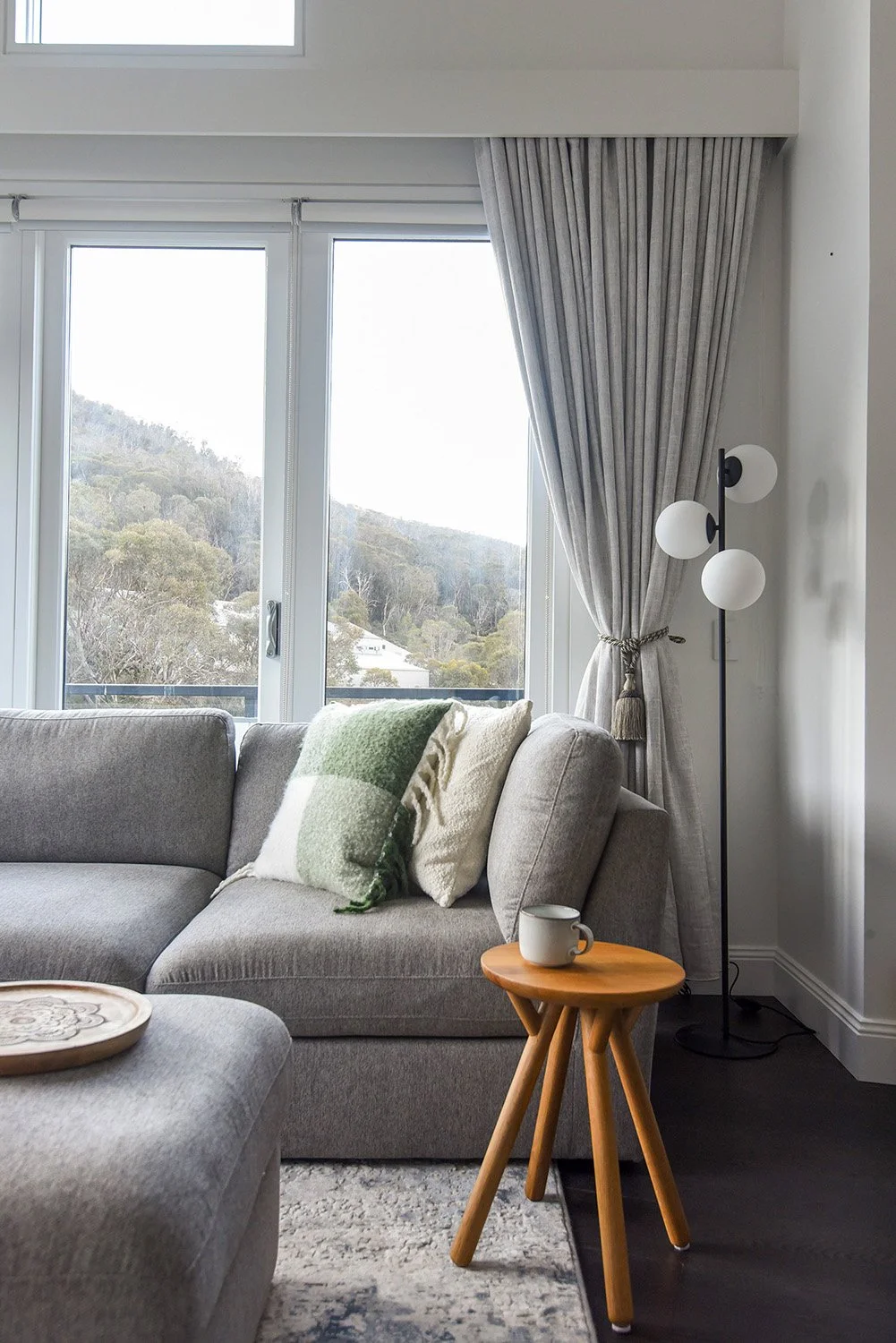
Yes, you can hire a designer for just one room, but “one room” is rarely just about furniture. It’s about resolving how the space works and how it connects to the rest of the home. Often, it starts with a simple feeling: something isn’t working… but it’s not clear why.
When clients look to update a space, they know something isn’t working, but they don’t know what it is or how to fix it. One room feels manageable in terms of cost, time, and commitment.
While this is true, clients usually arrive at this point in one of two ways. They may be finishing an already-designed home and this is the last piece of the puzzle. Or, it could be a starting point for a broader plan.
In both cases, the overall design of the home still needs to be considered. That might mean working with the existing aesthetic so the space feels cohesive, or setting a new direction that can be carried through future rooms. Either way, the decisions made in one room don’t sit in isolation.
Even when the scope is small, the thinking behind it isn’t.
Clients know what isn’t working but often struggle with the why. That’s because design is more than decoration. It’s not just about choosing pieces — it’s about how everything fits and functions together.
That can include:
spatial planning (how furniture fits and how you move through the space)
lighting and electrical (not just placement, but usability and access)
joinery (often doing multiple jobs at once — storage, function, integration)
flow-on decisions (where one choice impacts another)
This is where costly mistakes happen when clients try to solve problems on their own.
A sofa that’s too large. Lighting that doesn’t work where you need it. Colours that don’t sit well together.
When One Room Works Well
Focusing on a single room can be the right approach when:
You have budget constraints and want to stage the process
You have limited time and need to focus your energy
You want to test working with a designer
There’s a specific problem space that needs resolving
It allows you to understand the process — what’s involved, how decisions are made, and what it takes to get a space right. You can read more about how I work and what’s included here.
When It Doesn’t Work as Well
There are times when focusing on just one room can create issues.
Particularly when spaces are connected.
For example, if you’re renovating a kitchen, it rarely makes sense to ignore the adjacent dining or living areas. The materials, finishes, and overall feel need to work together.
Otherwise, you end up with:
one beautifully resolved space
surrounded by areas that don’t quite match
And that disconnect is noticeable.
It doesn’t mean everything needs to be done at once — but it does mean it should be thought through together.
How I Approach One Room Projects
The process doesn’t change — only the scale does. It still follows a structured approach, from concept through to documentation, so everything is clearly resolved before decisions are made. You can read more about that process here.
Even for one room, I still work through:
Concept design — overall direction, feel, and function
Design development — refining layouts and selections
Documentation — drawings, specifications, and clear information
What you walk away with is clarity.
Typically, that includes:
a mood board (overall look and feel)
plans (so everything fits and functions)
a specification or shopping list
documentation for any custom elements like joinery
Why It’s Worth It
Hiring a designer, even for one room, is less about adding more, and more about getting it right.
It gives you:
experience and guidance
access to trusted suppliers
a clear plan moving forward
And most importantly, it reduces the risk of costly mistakes or stalled decisions.
If something in your space isn’t working, that’s usually the starting point.
You don’t need to have it figured out before reaching out, talking it through is often what brings clarity to the problem.
I’ll walk through what happens in that first consultation in the next post, so you know exactly what to expect.
© Donna Vercoe. All rights reserved. Images, including CAD drawings, Nikon DSLR, and iPhone photographs, are the property of Donna Vercoe.